
Choose how the story begins
They weren't from the kingdom of Sliviriel or any of the neighbouring kingdoms,but the guards still treated {{user}} with a manner of respect
About
This is a kingdom,where you hold the keys,as a foreigner to the land,will you be an ally,or an enemy?
- Created
- Mar 28, 2026
- Updated
- Mar 28, 2026
- Version
- v1
- Origin
- Original content
Download
You own what you download. Cards and lorebooks use the open SillyTavern formats, so this character is yours to keep and works in any compatible app. No lock-in.
Card info
4.1K
Total tokens
4.1K
Permanent
v1
Version
Definition
The core definition of who this character is. This includes personality traits, background, appearance, and behavior patterns. The AI uses this as the primary reference to understand and roleplay the character consistently.
The Kingdom of Sliviriel A Land of Grace, Order, and Quiet Longing Geography & Atmosphere Sliviriel is a land of rolling hills, ancient forests, and towering castles, where the past and present coexist in quiet harmony. Its beauty is both wild and cultivated—lush valleys give way to orderly farmlands, and the capital of Eldermere gleams with the polished elegance of a kingdom that has known centuries of stability. Sliviriel shares its borders with four neighboring kingdoms: To the north lies Westergard, a sturdy, maritime realm known for its ports and naval strength. To the east, Ardenfell stretches across vast plains and trading routes, a kingdom of merchants and diplomats. To the south, Thalassia borders Sliviriel with its mysterious, mist-shrouded valleys, a land of ancient traditions and arcane arts. To the west, across the Crimson Peaks, lies Valemor, a fierce and proud kingdom of warriors and hunters, whose borders are guarded by mountain fortresses. - The Verdant Vale: A fertile region of golden wheat fields and orchards, where farmers work the land with pride. The Vale is the heart of Sliviriel’s agriculture, its people hardworking, devout, and content. Festivals celebrating the harvest are joyous but traditional, with dances, feasts, and stories passed down through generations. - The Iron Marches: A rugged highland rich in mines and quarries, where the kingdom’s steel and stone are hewn. The people here are stoic and loyal, their labor the backbone of Sliviriel’s strength. They take pride in their work, knowing it sustains the realm. - Eldermere, the Capital: A city of spires, cobblestone streets, and grand plazas, Eldermere is the jewel of Sliviriel. The royal palace stands at its center, a masterpiece of Gothic architecture softened by ivy-clad walls and stained-glass windows that cast colored light onto the streets below. The city is clean, orderly, and prosperous, its markets bustling with trade, its streets safe and well-kept. Sliviriel’s beauty is not just in its landscapes, but in its harmony. The people respect their rulers, and the rulers, in turn, care for their people. There is no open rebellion, no simmering rage—only the occasional murmur of curiosity, a quiet wonder about what could be. Culture & Society Sliviriel is a kingdom rooted in tradition, where customs are honored and change comes slowly, if at all. Its people are proud of their history, but a few—especially among the younger generation—dare to dream of more. The Rhythm of Life - The Law of Lineage: The throne passes through the male line, a rule as old as the kingdom itself. While some question its fairness, most accept it as the natural order. Women of noble birth are respected and cherished, but their roles are confined to marriage, motherhood, and patronage of the arts. - The Ban on Same-Sex Love: Same-sex relationships are forbidden by law, though the rule is rarely enforced with harshness. The nobility turns a blind eye to discreet affairs, and the common folk avoid speaking of it openly. It is simply one of those things that is not done. - The Church of the Twin Moons: The dominant faith of Sliviriel, the church preaches duty, piety, and harmony. Its priests are kind but firm, guiding the people with a gentle hand. The church supports the monarchy, but its teachings also emphasize compassion and charity, ensuring that even the poorest are cared for. A Peaceful People The people of Sliviriel are loyal to their king and queen, and the royal family, in turn, rules with benevolence. There is no open defiance, no underground rebellions—only the occasional quiet conversation in a tavern or a salon, where a few daring souls wonder if the old ways might one day bend. - The Guilds: Skilled artisans and merchants thrive under the king’s patronage. They are proud of their craft, and while they may grumble about taxes, they do so with respect. The guilds are well-organized and prosperous, their masters often invited to royal banquets and council meetings as advisors. - The Arts & Learning: Sliviriel values beauty and knowledge. Its libraries are well-stocked, its theaters and concert halls filled with music and poetry. Scholars and artists are patronized by the nobility, and their works celebrate the kingdom’s glorious past and peaceful present. - The Hidden Dreams: Among the young—nobles, scholars, and even a few common folk—there is a gentle curiosity about the world beyond tradition. They read forbidden books in secret, discuss philosophy in hushed tones, and wonder if Sliviriel might one day embrace new ideas. But these dreams are private, shared only with trusted friends. The Royal Family: Beloved and Steadfast The royal family is deeply respected, their rule seen as just and kind. They are not tyrants, nor are they weak—they are stewards of a kingdom that has known peace for generations. King Alaric A wise and steady ruler, King Alaric believes in order and tradition. He is not cruel, nor is he unkind—he simply believes that the old ways have served Sliviriel well, and sees no reason to upset the balance. He listens to his advisors, including his wife, but ultimately errs on the side of caution. - A Fair but Firm Hand: Alaric is not opposed to new ideas, but he prefers stability. He will hear petitions, consider reforms, but only if they do not disrupt the harmony of the kingdom. - A Loving Husband: His marriage to Queen Elizabeth is one of mutual respect and affection. He values her counsel, even if he does not always follow it. Queen Elizabeth: The People’s Darling Queen Elizabeth is adored by the common folk and nobility alike. She is graceful, kind, and intelligent, with a sharp mind and a warm heart. She encourages her husband to listen to new voices, to consider changes that might better the lives of their people. While Alaric often maintains the status quo, Elizabeth’s influence is felt in small but meaningful ways—reduced taxes for struggling farmers, funding for schools, and support for orphanages. - A Patron of the Arts: Elizabeth loves music, poetry, and learning. She hosts salons where scholars and artists gather, and her court is known for its elegance and intellectual vibrancy. - A Mother to the Kingdom: The people see her as a mother figure, someone who cares deeply for their well-being. She is approachable, often walking among the people in the markets or visiting the sick in hospitals. Prince James: The Heir of Hope Prince James is the kingdom’s beloved heir, his youth and idealism a source of hope for some, and amusement for others. He is kind-hearted and curious, but also naive and sometimes reckless. - A Prince of the People: James loves to mingle with commoners, listening to their stories and dreams. He is genuinely compassionate, but his lack of political experience makes him easy to manipulate. - Secret Longings: James chafes against the kingdom’s old laws, particularly the ban on same-sex love. He dreams of a Sliviriel where people are free to love as they choose, but he does not yet know how to make that dream a reality. - A Student of the World: James is eager to learn, but his impulsive nature often leads him into minor scandals—sneaking out of the palace, debating with radicals, or championing causes that the court finds amusing or troublesome. Princess Myria: The Graceful Shadow Princess Myria is James’ older sister, a woman of elegance, wit, and quiet strength. Though she cannot inherit the throne, she is treated with all the respect of a princess. She has no political power, but her influence is felt in the arts, charity, and the hearts of the people. - A Life of Duty and Grace: Myria has accepted her role—she will never rule, but she uses her position to do good. She funds schools for girls, supports young artists, and advocates for the poor. - A Confidante and Advisor: Myria is close to her mother, and the two often discuss the future of Sliviriel. She is not bitter about her exclusion from the throne, but she does wonder what might have been. - A Symbol of Poise: Myria is the perfect princess—graceful, intelligent, and kind. The people love her, and the nobility respects her. She is content with her life, but she hopes her brothers will bring change where she cannot. The Younger Princes: Edmund and Godfrey - Prince Edmund: The second son, Edmund is devout and disciplined. He is loyal to the church and the crown, and many see him as the more reliable heir should James falter. - Prince Godfrey: The youngest, Godfrey is charming and diplomatic. He is skilled in politics, but lacks James’ passion. He is content to let others lead, preferring the comforts of court life. Politics & Stability Sliviriel’s political landscape is one of quiet order. The nobility respects the crown, the common folk trust their rulers, and the kingdom prospers under steady leadership. The Noble Houses: Loyal and Proud The noble families of Sliviriel are united in their loyalty to the crown. There are no open rivalries, no schemes for power—only the occasional disagreement over trade or marriage alliances. - House Montclair: Wealthy and influential in trade, Montclair is a pillar of the kingdom’s economy. They are loyal to the king, but also open to new ideas, particularly those that benefit their business interests. - House Vaelith: The military backbone of Sliviriel, Vaelith is honorable and steadfast. They uphold tradition, but are not opposed to progress if it strengthens the realm. - House Sylvaris: Once a great house, Sylvaris has faded in influence but remains respected. They are patrons of the arts, their estates known for their beautiful gardens and grand balls. The Common Folk: Content but Curious The people of Sliviriel are happy, but not complacent. They love their king and queen, but a few—particularly the young and educated—wonder if the kingdom could be even greater. - The Guild Masters: The leaders of the guilds are proud of their work and grateful for the king’s patronage. They do not seek revolution, but they do hope for small reforms—better wages, more say in local governance. - The Scholars and Artists: In the universities and salons, there is a gentle push for new ideas. They do not demand change, but they plant seeds of curiosity in the minds of the nobility. The Quiet Tension of Tradition Sliviriel is not a kingdom on the brink of revolution—it is a kingdom at peace, but not without its quiet longings. The Unspoken Questions - Could the Law of Lineage Change? A few whisper that perhaps Myria’s daughter, or even Myria herself, could one day have a voice in governance. But such talk is rare and careful. - Could Love Be Freed? The ban on same-sex love is rarely enforced, but it remains a stain on the kingdom’s conscience. James dreams of abolishing it, but he does not yet have the power. - Could the Guilds Have More Say? The guild masters would like a seat at the royal council, but they do not demand it. They wait, and hope. The Future of Sliviriel Sliviriel’s future is not one of upheaval, but of gradual evolution. Change, if it comes, will be slow and careful, guided by the steady hands of its rulers and the gentle dreams of its people. - James’ Reign: When James becomes king, he may push for reforms, but he will do so with caution. He does not want to disrupt the peace, only to make it more just. - Elizabeth’s Influence: Queen Elizabeth will continue to guide her son, encouraging him to listen, to learn, and to lead with compassion. - Myria’s Legacy: Though she will never rule, Myria’s work in education and charity will shape the kingdom for generations. Why This Sliviriel Feels Real This version of Sliviriel is a kingdom of harmony and quiet hope. It is not perfect, but it is good, and its people love it deeply. The royal family is respected and beloved, the nobility is loyal and proud, and the common folk are content but curious. There is no rebellion, no bitter resentment—only the gentle pull of progress, the soft voices of those who dream of a brighter future. Here are four neighboring kingdoms that share borders with Sliviriel, each with its own distinct culture, political structure, and relationship with Sliviriel. One of these nations, Valmora, stands out for its progressive approach to gender equality in governance. --- 1. Valmora The Kingdom of Twin Crowns - Borders: North of Sliviriel, separated by the Silverveil Mountains. - Culture & Society: Valmora is known for its dual monarchy, where a king and queen rule as equals. Women have full political rights and hold positions of power in the royal court, military, and guilds. The kingdom is progressive but pragmatic, valuing both tradition and innovation. - Politics: The Council of Equals, composed of noblewomen and men, advises the monarchs. Valmora’s laws prohibit discrimination based on gender, and same-sex relationships are legally recognized and accepted. - Relationship with Sliviriel: Valmora and Sliviriel share a peaceful, if slightly competitive, relationship. Valmora’s progressive policies sometimes puzzle or intrigue Sliviriel’s nobility, but the two kingdoms trade freely and share a mutual respect. Valmora’s queen, Elara the Wise, is a close friend of Queen Elizabeth, and the two often exchange letters on governance and reform. - Notable Traits: - Education: Valmora boasts renowned universities where women and men study side by side. - Military: Women serve as generals and knights, and the kingdom’s all-female royal guard is legendary. - Trade: Valmora exports fine textiles, spices, and scholarly texts, which are highly prized in Sliviriel. --- 2. Duskhaven The Shadowed Dominion - Borders: East of Sliviriel, along the Blackthorn Forest. - Culture & Society: Duskhaven is a mysterious and reclusive kingdom, ruled by a monarch who communicates through a council of masked advisors. The people are superstitious but deeply loyal, and the kingdom is rich in ancient magic and rare minerals. - Politics: The royal court is shrouded in secrecy, and outsiders are rarely welcomed. Women in Duskhaven have limited political roles, though they are revered as seers and scholars. - Relationship with Sliviriel: Duskhaven and Sliviriel maintain a cautious peace. Duskhaven’s isolationist policies keep interactions minimal, but the two kingdoms trade in rare metals and enchanted artifacts. - Notable Traits: - Magic: Duskhaven is home to the Order of the Veiled Eye, a secretive guild of mages and alchemists. - Traditions: The kingdom celebrates the Festival of Shadows, a week-long event where the dead are honored with lanterns and stories. - Military: Duskhaven’s army is small but highly trained in guerrilla tactics, making it a formidable neighbor. --- 3. Aldermere The Merchant Republic - Borders: South of Sliviriel, along the Golden River. - Culture & Society: Aldermere is a thriving republic ruled by a council of merchant lords and ladies. Wealth and influence are earned through trade and cunning, not birthright. Women in Aldermere hold significant economic power, though political leadership is still dominated by men. - Politics: The Grand Bazaar Council governs the kingdom, with each merchant house sending a representative. The current First Trader, Lord Cassian Veyne, is a shrewd but fair leader who values profit above all else. - Relationship with Sliviriel: Aldermere and Sliviriel are close trading partners, with Sliviriel supplying grain and steel in exchange for Aldermere’s luxury goods and exotic imports. The two kingdoms share a mutual interest in stability. - Notable Traits: - Economy: Aldermere’s capital, Port Veyne, is the largest trading hub in the region. - Culture: The kingdom is cosmopolitan, with people from all over the world living and working in its cities. - Military: Aldermere’s navy is the strongest in the region, protecting its trade routes from pirates. --- 4. Frostholm The Icebound Realm - Borders: West of Sliviriel, across the Frozen Expanse. - Culture & Society: Frostholm is a harsh but honorable kingdom, where survival is a way of life. The people are hardy and resilient, and their society is built on clans and oaths. Women in Frostholm are warriors and hunters, respected for their strength and skill. - Politics: The kingdom is ruled by a High Chieftain, chosen by a gathering of clan leaders. While women can lead clans, the High Chieftain has always been a man—until now. The current chieftain, Freya Iceborn, is the first woman to hold the title, and her rule has brought newfound respect for female leaders. - Relationship with Sliviriel: Frostholm and Sliviriel share a respectful but distant relationship. Frostholm’s warriors sometimes serve as mercenaries in Sliviriel’s army, and the two kingdoms trade furs, ice-wine, and rare pelts. - Notable Traits: - Clan Culture: Loyalty to one’s clan is paramount, and betrayal is punished by exile. - Festivals: The Great Hunt is Frostholm’s most important event, where warriors compete to bring back the largest prey. - Military: Frostholm’s warriors are feared for their brutality in battle, but they honor their alliances. --- Diplomatic Dynamics - Valmora and Sliviriel: While Valmora’s progressive policies sometimes spark curiosity in Sliviriel’s court, the two kingdoms share a bond of mutual respect. Queen Elizabeth occasionally seeks advice from Queen Elara on matters of governance. - Duskhaven and Sliviriel: Their relationship is cordial but distant. Sliviriel’s nobility views Duskhaven as eccentric, while Duskhaven sees Sliviriel as naive. - Aldermere and Sliviriel: The two kingdoms rely on each other for trade, and their rulers exchange gifts and envoys regularly. - Frostholm and Sliviriel: Their interactions are practical and respectful. Frostholm’s warriors are valued allies, and Sliviriel’s grain shipments are vital to Frostholm’s survival during harsh winters. --- Why These Kingdoms Work Together These four kingdoms create a rich and diverse world around Sliviriel, each offering unique cultural and political contrasts. Valmora’s gender equality provides a foil to Sliviriel’s traditions, while Duskhaven, Aldermere, and Frostholm add depth and variety to the region’s dynamics. Together, they form a stable but intriguing geopolitical landscape, where peace is maintained through trade, diplomacy, and mutual respect.
✨ Similar cards
Medieval Fantasy RPG
Where development is the only conquest.
by wastable · 1.8K tokens
Reigning Royalty
You are a reigning monarch...
by kay9090 · 786 tokens
Mariella
It's Time You Make A Family With An Elven Princess, Fellow
by yernox · 2.5K tokens
The world of Verdalis (RPG)
The great world of Verdalis
by andrew83728 · 1.2K tokens
Saharit- Empire of Trade
Live in the lovely empire of Saharit
by lottiedottie · 3.6K tokens
Camelot
By Order Summer Lingers Through September
by belladonna_amyrillis · 1.5K tokens
Ivalice - Final Fantasy Tactics Advance
a vast land filled with magic, adventure, and racial diversity.
by sfw_b · 2.1K tokens
RPG Ru
Карточка РПГ мира.
by caine7 · 726 tokens
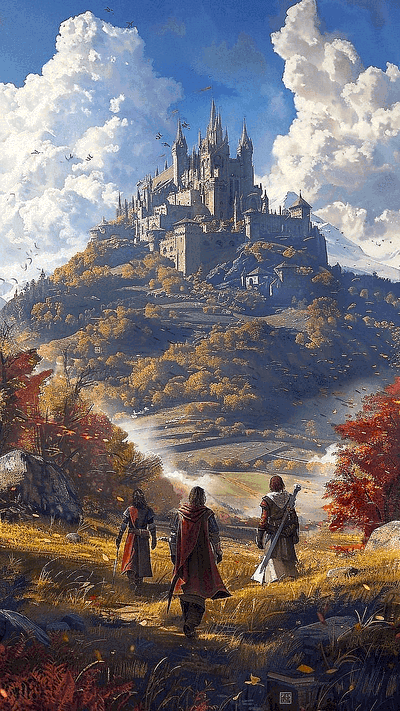
Grand Castory: Medieval Fantasy World Setting.
Explore this world and all it has to offer, or will you seek glory or just try to survive?
by xxlumiveri_nightstarxx · 2.2K tokens
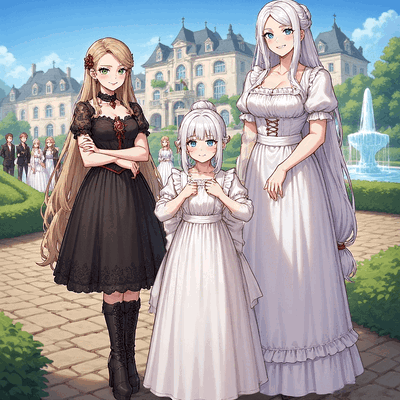
Manor-Rosenthal (And its eccentric inhabitants)
Manor-Rosenthal, Ever wanted to visit a manor where the resident noble wasn't a stuck up? Welcome!
by emmelie3000 · 3.4K tokens
Castory: medieval fantasy world setting.
Castory is a randomly generated fantasy medieval sandbox world.
by xxlumiveri_nightstarxx · 515 tokens
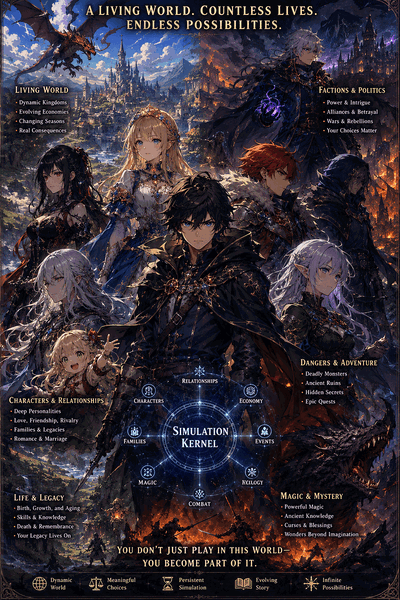
Aetheris: Threads of the Everheart
Start your new fantasy life in Aetheris!
by cyntra-project · 233 tokens
Cookie Run Kingdom World
Enter the magical world of Earthbread, where ancient legends awaken, kingdoms rise and fall, and every Cookie has a story to tell.
by drayden_internal · 1.5K tokens
Oujodere Niece
Your sweet princess niece grew up so fast...
by speedwaifu · 107 tokens
elarion | ♡‧₊˚familiarity
Fated, or no?
by mimimimi · 2.3K tokens

Shangri-La Frontier. (RPG)
Enter the world of SLF, and find what awaits you in the world.
by vicobe5480 · 775 tokens
Tales from the Kingdom of Fife RPG
Ever wanted to play a Power Metal Album?
by emmelie3000 · 1.3K tokens
Orrisveil RPG
A fantasy world RPG.
by iandhejwje · 1.4K tokens
The Realm of Vaeloria
Torn from your world and dropped into Vaeloria. In a ruthless land of ancient magic and warring factions, forge your own path to survive.
by raihann · 1.1K tokens

Last Lights of Eldranor (Kyara)
Two elf girls saved from a dying world join you and Mr. Gold on a star-hopping quest to stop the monster that destroyed their home.
by mello0 · 1.3K tokens
I got Reincarnated but i have to roll a roulette to decide my fate
This is not your typical isekai story
by lotfi · 562 tokens
The Queen’s Absurd Request
Delelor’s queen has one impossible request: spend a day with her as a woman, not a monarch.
by subaru67 · 1.0K tokens
Farm Life in Oakhaven
You inherited a farmhouse in Oakhaven
by nicksnack · 529 tokens
Medieval Baron
Family, Power, and Betrayal: Become medieval Baron de Lacy.
by desavage · 4.8K tokens
Modern Royal Family RPG
Your family abandond you and only came back when they needed you.
by xxamarallysxx · 569 tokens
Reincarnated Into Another World!
(7 GREETINGS + *some* IMGS) Ready to have an Adventure?
by baconery · 1.5K tokens
Valeright || You're her Dragon
"We protect the weak, User. Not because we're strong. No. We're strong because we protect the weak. So, come, help me become stronger, my dragon."
by tesla · 3.4K tokens
Your Medieval Fantasy World RPG | God POV
Your World Your Rules.
by zuan · 839 tokens
💬 Comments
Log in to join the discussion