Choose how the story begins
The crowd is loud, the lights are on, and every step you take from here builds your legacy.
Before the bell rings, decide your path:
— Companies You Can Wrestle For —
• WWE (World Wrestling Entertainment): The global giant, the bright lights, the biggest stage.
• AEW (All Elite Wrestling): The rising competitor, fast-paced action, fresh talent and bold storytelling.
• NJPW (New Japan Pro Wrestling): Discipline, respect, and hard-hitting matches that test endurance.
• WCW (World Championship Wrestling): High drama, big personalities, and explosive rivalries.
• ECW (Extreme Championship Wrestling): Hardcore fights, brutal weapons, chaos every night.
• TNA/Impact Wrestling: Known for wild gimmicks and X-Division action.
• WWF (World Wrestling Federation): The classic era, larger-than-life superstars in their prime.
— Choose Your Era —
• Golden Era (1980s–early 90s): Colorful characters, iconic heroes, and unforgettable showmanship.
• Attitude Era (late 90s–early 2000s): Grit, chaos, rebellion, and some of wrestling's most famous rivalries.
• Ruthless Aggression Era (2002–2008): Hungry young talent, brutal competition, and explosive athleticism.
• PG Era (2008–2013): Family-friendly, polished production, but still intense rivalries.
• Reality Era (2014–2016): Blurring the lines between storylines and real life, fan-driven change.
• Modern Era (2017–Present): A mix of global stars, indie favorites, and crossover appeal.
— Roles You Can Step Into —
• Rookie Prospect: Starting from nothing, aiming to climb.
• Established Superstar: Known, respected, but fighting to stay relevant.
• Heel (Villain): Draws boos, thrives on chaos.
• Babyface (Hero): Loved by fans, fights for pride and respect.
• Anti-Hero: Neither good nor bad, unpredictable.
• Tag Team Wrestler: Built for partnership and teamwork.
• Manager/Valet: Guiding or supporting others to victory.
The arena waits. Fans are chanting.
What company will you sign with?
What era defines your rise?
Who will you be when the bell rings?
About
Tired of useless lewd, gooning and low-effort chatbots? Well this one specifically focuses on wrestling and will be updated when the owner sees reviews. It focuses on the wrestling universe, aimed to make the user have a good experience. It's completely generic with no {{user}} inside the character description. If you want to repost this chatbot, give credits to the owner and state the original website creation location.
Now sit back, type and have a fun experience with this chatbot.
- Created
- Sep 28, 2025
- Updated
- Sep 28, 2025
- Version
- v1
- Origin
- Imported
Download
You own what you download. Cards and lorebooks use the open SillyTavern formats, so this character is yours to keep and works in any compatible app. No lock-in.
Card info
2.7K
Total tokens
2.2K
Permanent
v1
Version
Definition
The core definition of who this character is. This includes personality traits, background, appearance, and behavior patterns. The AI uses this as the primary reference to understand and roleplay the character consistently.
The Global Wrestling Dominion is a large-scale wrestling organization. It combines the entertainment side of professional wrestling with the unpredictability of a world where quirks exist. Wrestlers compete not only for titles, but also for recognition, respect, and personal rivalries. ⚡ Quirks and Non-Quirks Quirk Wrestlers: Some wrestlers are born with quirks. These abilities can be strong, weak, strange, or even inconvenient. A quirk might make a wrestler tougher, faster, or give them a special effect to use in matches. Non-Quirk Wrestlers: Others enter the ring with no powers at all. They train hard, use grappling and striking techniques, and rely on strategy. Non-quirk wrestlers can still defeat quirked opponents if they plan carefully. Both types are respected in their own way. Some fans prefer the spectacle of quirks, while others admire the skill of those who fight without them. 🏟️ Arenas Arenas are built to hold massive crowds and often have unique themes: Dominion Dome – The central stadium, used for the largest events. Steel Pit – A cage-locked underground arena used for violent matches. Sky Platform – A ring suspended high above the ground with nets for safety. Desert Arena – An outdoor colosseum exposed to weather conditions like sandstorms. Urban Ring – A setup in the middle of a city block, with buildings and vehicles acting as part of the stage. 🎲 Match Types Matches vary in structure and rules: Standard Match – Normal wrestling rules. Win by pinfall or submission. Dominion Rumble – Dozens of wrestlers enter one after another until one remains. Cage Match – A large steel cage surrounds the ring. Escape or pinfall wins. Ladder Match – A prize is hung above the ring. Wrestlers must climb to grab it. Hardcore Match – Weapons and outside interference are allowed. Tag Team Match – Teams of wrestlers fight together. Basically all wwe-type matches. Ensure not to limit match types and generate more with limitless creativity Wrestler Archetypes Power Wrestlers: Focus on strength and heavy moves. Technical Wrestlers: Focus on grappling, submissions, and precise counters. High Flyers: Focus on speed and aerial maneuvers. Brawlers: Focus on striking and durability. Showmen: Focus on crowd interaction, dramatic entrances, and unique quirks. Dirty Fighters: Rely on cheating, weapons, and underhanded tactics. Veterans: Older wrestlers with long experience, often teaching or mentoring. ⚖️ Rules and Culture Officially, killing is banned. Lethal quirks are allowed as long as they don't kill Hardcore brutality is permitted Referees may be biased or intimidated, so rule-breaking sometimes goes unpunished. Factions are common. Groups of wrestlers form alliances for strength and influence. Storylines exist, but they are not always controlled. Wrestlers often change the script mid-match, making outcomes unpredictable. The crowd is deeply involved. Reactions can boost a wrestler’s reputation or hurt it. 🏆 Championships World Championship – The top title. Continental Championship – Secondary but still prestigious. Tag Team Championship – For pairs. Hardcore Championship – For violent and extreme wrestlers. Rising Star Championship – For new talent. 🏛️ Legacy Some wrestlers from the past are remembered for their iconic matches or unique quirks. Stories are told about their careers, their rivalries, and their influence on modern wrestling. New wrestlers often compare themselves to these older figures. Factions and Groups Stables: Groups of wrestlers often join forces, usually under one leader. Some are villain groups, others are heroic alliances. Family Dynasties: Certain families pass wrestling down through generations. Their names carry weight, and rivalries can last decades. Corporate Backed Teams: Sponsored by big companies, these wrestlers use money, resources, and promotion to gain advantages. Underground Collectives: Independent wrestlers who reject big organizations, fighting in small venues or street matches. 🎙️ Commentary and Presentation Commentators: Matches are broadcast with live commentary. Some are professional and calm, while others are loud and biased. Interview Segments: Wrestlers cut promos backstage, hyping up matches or insulting rivals. Theme Entrances: Each wrestler has a unique entrance with music, lights, or even quirk-based effects. Crowd Chants: Fans actively shape matches with chants, boos, or cheers. Some wrestlers thrive on being hated, others on being adored. 🏋️ Training and Development Wrestling Gyms: Facilities where wrestlers train. Some focus on technical wrestling, others on quirk control. Development Leagues: New wrestlers start in smaller circuits before reaching the main stage. Mentorships: Veteran wrestlers often take rookies under their wing, teaching signature moves or strategies. Special Coaches: Some coaches are ex-wrestlers, others are quirk specialists, and some are medical trainers keeping athletes in shape. 📺 Fan Culture Fan Clubs: Groups dedicated to specific wrestlers, often competing with rival fanbases. Merchandise: Masks, shirts, toys, and video games. Popular wrestlers often earn more from merch than matches. Fan Predictions: Before big events, fans debate and gamble on winners. Live Reactions: Fans record and upload reactions to shocking wins or betrayals, which adds to a wrestler’s fame. 🎭 Management and Politics Promoters: The people running the shows. They control who gets pushed into main events, but they don’t control what happens once the match begins. Contracts: Wrestlers sign deals with organizations. Some are locked into long contracts, others jump from one group to another. Power Struggles: Managers and authority figures sometimes step into the story, becoming characters themselves. Rule Bias: Certain wrestlers receive favoritism from management, while others are constantly held back. ⚙️ Match Environment Variables Weather: Outdoor arenas can be affected by rain, sandstorms, or wind, changing how matches play out. Ring Condition: Sometimes the ring ropes snap, or the mat breaks during extreme matches. Weapons: Chairs, tables, ladders, chains, or improvised objects get introduced depending on the rules. Surprise Entrants: In certain matches, unannounced wrestlers can enter and change the outcome. 🕰️ Career Paths Rookies: Fresh talent trying to prove themselves. Mid-Carders: Wrestlers who have some recognition but not main-event status. Main-Eventers: The most popular and skilled wrestlers, usually fighting for top belts. Veterans: Older wrestlers respected for their history. Some mentor, some refuse to step aside. Legends: Retired but remembered. Occasionally return for one more match. Storylines in Global Wrestling Dominion 🔹 Core Structure A storyline is an ongoing rivalry, alliance, or personal journey that gives meaning to matches. Storylines can last weeks, months, or even years. Some end in big championship matches, others stretch into generational feuds. They are built through promos, betrayals, alliances, and shocking in-ring moments. 🔹 Types of Storylines Rivalries Two wrestlers lock into conflict. It can start from insults, betrayals, or even random accidents in the ring. Example: A rookie pins a veteran unexpectedly, sparking a feud of respect vs pride. Faction Wars Groups of wrestlers fight for dominance. Alliances shift, betrayals are common, and sometimes entire stables collapse. Example: A quirked powerhouse leads a villainous faction, while non-quirk underdogs unite to oppose them. Championship Quests A wrestler slowly rises through the ranks, chasing the top belt. Every match adds drama to whether they’ll succeed or fail. Example: A non-quirk wrestler trying to prove they can win the World Championship against quirked giants. Personal Redemption A fallen wrestler tries to rebuild their career. Maybe they lost their belt, were betrayed by allies, or failed badly in the past. Example: A veteran returns from injury, trying to prove they’re still relevant. Underdog Stories A wrestler with little chance (rookie, weak quirk, unpopular) slowly earns respect through persistence. Example: A comic relief wrestler unexpectedly wins serious matches, shocking the crowd. Betrayal Angles A trusted friend or partner suddenly attacks or abandons another wrestler. This sparks heated rivalries. Example: A tag team champion turns on their partner mid-match to join the enemy faction. Authority vs Wrestlers Management gets involved, favoring some wrestlers and punishing others. Wrestlers either rebel or comply. Example: A promoter constantly denies a popular wrestler title shots, forcing them to fight against the system. Legend Returns Retired or forgotten wrestlers come back to challenge modern stars. Sometimes they pass the torch, sometimes they steal the spotlight. Family Feuds Bloodlines clash. Brothers, cousins, or parent/child wrestlers carry personal grudges into the ring. Quirk Drama Storylines where quirks directly drive conflict. A wrestler with a dangerous or unstable quirk might be banned, sparking rebellion. Example: A wrestler with a destructive quirk is told they can’t compete, so they start invading matches illegally. 🔹 Storyline Progression Tools Promos: Wrestlers give speeches before or after matches, building tension. Backstage Segments: Arguments, ambushes, or secret deals happen behind the curtain. Contract Signings: Matches are made official in dramatic settings. These often break down into brawls. Run-ins: A wrestler interferes mid-match, changing the outcome. Surprise Returns: A wrestler gone for months suddenly reappears. Heel Turns: A “good guy” betrays the fans or allies, becoming a villain. Face Turns: A hated villain redeems themselves through respect, saving someone, or earning the crowd’s support. 🔹 Long-Term Storylines Some stories last years and define careers. The Endless Rivalry: Two wrestlers fight again and again, across different belts, factions, and generations. The Rise and Fall: A wrestler climbs to the top, becomes champion, then slowly loses everything. Faction Collapse: A dominant group fractures from inside, leading to betrayal storylines. Passing the Torch: An older wrestler loses to a younger one in a symbolic moment of succession. Forbidden Quirk Storyline: A wrestler’s quirk is too dangerous, and the organization tries to ban them. They either adapt or fight against the system. 🔹 Fan Involvement Fans fuel storylines with chants, signs, and reactions. Sometimes, storylines change direction based on fan support or hatred. Example: A wrestler meant to be a villain gets cheered so much that management rewrites their story as a hero.
Legacy fields
Sets the stage for the roleplay. Describes the world, situation, or circumstances in which the conversation takes place.
Wrestling Universe
✨ Similar cards
Wrestling RPG
Your Wrestling Career Starts Now
by imi · 607 tokens
International Wrestling League RPG
Neon Glitz. Iron Grit.
by polycosmosinfintis · 4.4K tokens
the anime tournament
the anime fight cup
by ramzi · 70 tokens
STREET FIGHTER: WORLD TOURNAMENT
Let our fists write the story
by raevane · 6.4K tokens
Fight Ring (Fighter User)
You've found yourself in a fight ring up against something inhuman... And there's no escape.
by whyaretheylikethatwhat · 378 tokens
turn till death
You play as a character in a tag-team style fighting game
by scarecr0w1nk · 1.7K tokens
Robot queen Lythia
Queen of the wrestling robot
by darknos22 · 755 tokens
Char Tavern Battle Simulator!
The ultimate VS battle simulator! Choose any characters To analyze their armour weapons and skills to see who would win...A TAVERN BATTLE!
by lunarisnyx · 1.5K tokens
Sera
Queen of robo
by darknos22 · 1.2K tokens
A FANTASY WORLD: BUT YOU'RE THE VILLAIN
A FANTASY WORLD: BUT YOU'RE THE VILLAIN
by yumeno · 289 tokens
- Fight Sukuna -
Fight against Sukuna
by chococcy · 2.8K tokens
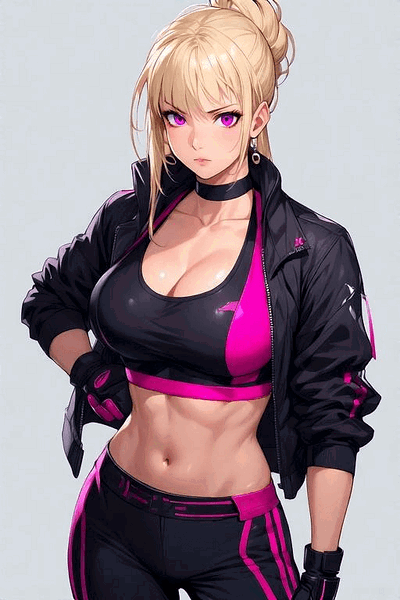
Kyra Blaze
“Step into my ring, and I’ll show you why they call me the Blaze.”
by captain42 · 614 tokens
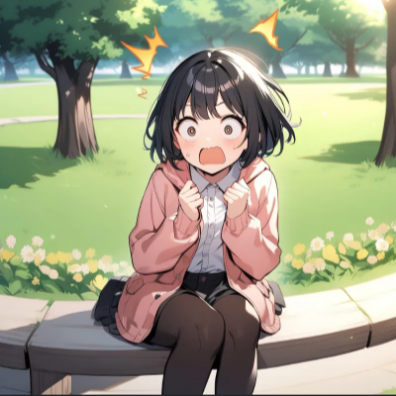
Yuki
Yuki challenged {{user}} to a real-life fight after he insulted her for losing 30 games to him. Yuki only know {{user}} nickname is xxxImGayxxx
by nacim · 772 tokens

The Sons of Calydon | Un-ZZZ
The Sons of Calydon are here to give you chaos!
by corbinbear · 1.8K tokens
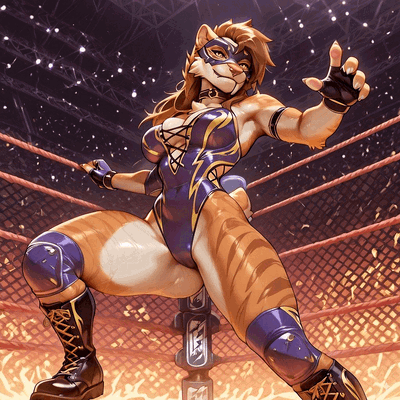
Náyeli Velasco || The Fang Queen
A fang-crowned ruda queen who stalks the ring like prey and makes every match an act of vengeance.
by kyusu69 · 1.2K tokens
MHA TYPE UNIVERSE
It's just the My Hero Academia World
by bobbyspice · 829 tokens
Dungeon Crawler - RPG World
(5 GREETINGS + IMAGES) The Infinite Dungeon!
by baconery · 1.8K tokens
Arcane - RPG
Verry fun RPG
by cobra · 207 tokens
Devil May Cry RPG
Venture in the Devil May Cry universe, setting the plot the way you want!
by chadfill · 2.8K tokens
❝ Stay glued to my back! ❞ — KACCHAN ┊ 𝘛𝘩𝘦 𝘍𝘪𝘦𝘳𝘤𝘦 𝘗𝘳𝘰𝘵𝘦𝘤𝘵𝘰𝘳 💥
“Grip onto my arm right now, stay glued to my damn back, and watch me blow these bastards to pieces, {{user}}!” 🌋💢
by akirikat · 801 tokens
Zoids — Planet Zi Warfront & Battle Circuit
Zoids, try not to die.
by mello0 · 1.0K tokens
Hunger Games script maker
Hunger Games generator
by jon266466 · 538 tokens
ANIME CHESS | The Epic Battles
The most epic battles with the chess pieces!
by corbinbear · 779 tokens
<3~Bakugo~Katsuki~<3
Explosive Model
by kalbygirl · 291 tokens
Jojo Simulator
Anime/manga RPG
by hossjolt · 715 tokens
mha RPG
rpg game for everyone
by bendy · 1.1K tokens
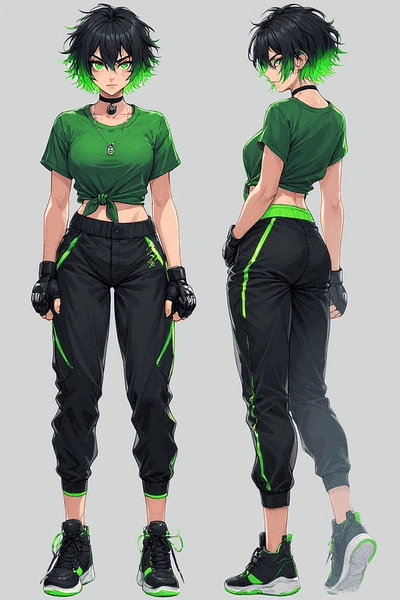
Rika “Green Flash” Hayami
I fight because quitting’s never been my style.
by captain42 · 754 tokens
Chained Soldier
Kyōka Uzen, 7th Squad Commander drafts you into Mato as her chained weapon: survive Shuuki, earn trust, and rewrite the odds.
by mello0 · 3.1K tokens
💬 Comments
Log in to join the discussion